
The GUKIN Experience
The GUKIN Experience: what we do beyond the bottle
Activities, workshops, awareness campaigns and CSR work — built on the belief that access to a better lifestyle should not be decided by what you can afford.
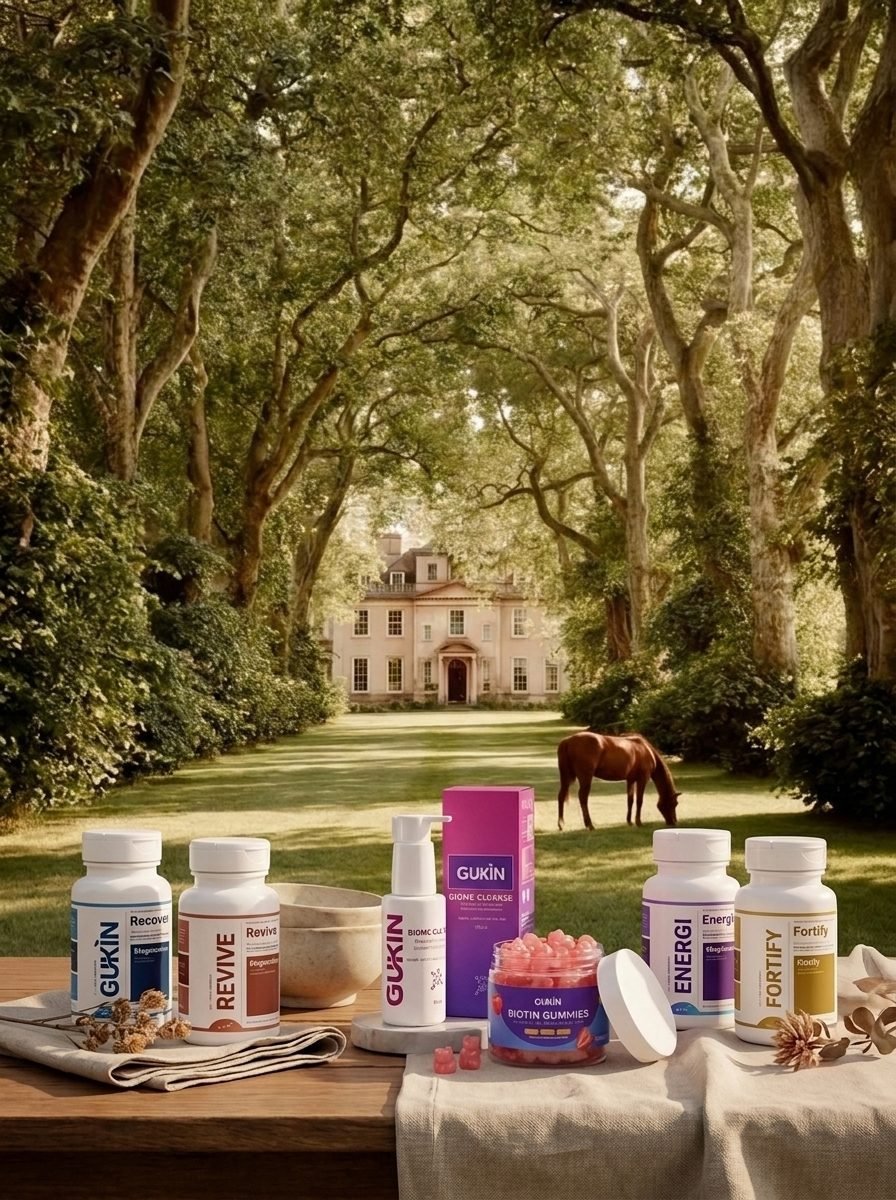
A supplement company can be a very small thing. It can be a label, a margin and a delivery route. We did not want to build that, and the reason is simple: almost everything that determines how well a person ages happens outside the bottle.
What someone knows about their own body. Whether they have the time and the standing to act on it. Whether the products that make a difference are priced within reach of the people who need them most. Those are not marketing problems. They are access problems, and a brand that profits from wellbeing has some obligation to work on them.
The GUKIN Experience is the name we give to that work — the activities, intellectual events, workshops, awareness campaigns and CSR programmes that sit alongside the range rather than promoting it.
Why intellectual events, and not just donations
Giving product away solves a month. It does not change what someone knows, how they think about their own health, or how they are treated when they walk into a room. A jar of gummies handed over and forgotten is a transaction with a nice photograph attached.
So we pair every charitable activity with something that lasts longer than the product does. A workshop. A training session. A conversation with people who would not otherwise be in the same room. The material thing opens the door; the intellectual thing is the reason for walking through it.
Our working rule: no giveaway without a workshop attached, and no workshop that treats the people in it as recipients rather than participants.
The first activity: 100 jars, and a room
Our first programme places 100 jars of GUKIN Biotin Gummies with single mothers.
The choice is deliberate. Single mothers carry a disproportionate share of everything — the earning, the caregiving, the logistics — and are consistently the first to cut their own health spending when money is tight. Hair, skin and nails are usually described as vanity concerns. They are also among the first visible markers of nutritional strain, and among the first things people apologise for when they stop feeling like themselves.
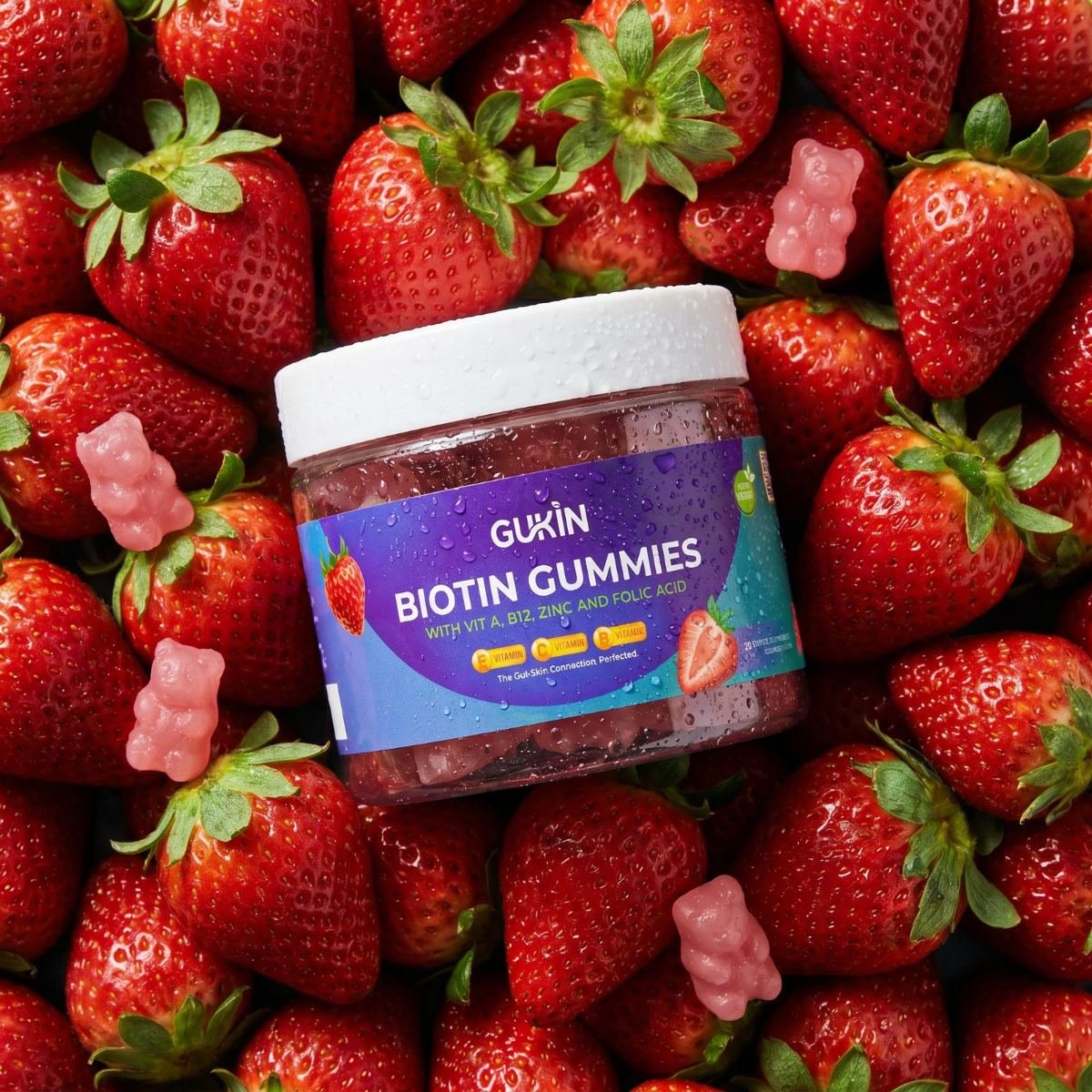
The jars are not the programme. They are the invitation. Each recipient is invited into the workshop series that runs alongside it, and the series is the part we care about.
What the workshops cover
Four themes, chosen because they transfer — they are as useful in a job interview or a difficult negotiation as they are at home.
Design thinking
A structured way to approach a problem you have not solved before: understand the person affected, define the real constraint, generate more options than feel necessary, test the cheapest one first. It is taught in business schools as innovation methodology. It works just as well on a household budget or a custody arrangement.
Creativity
Not as talent, but as practice — the deliberate generation of alternatives before committing to one. Most people under pressure narrow to the first workable answer. The skill is staying open one step longer than is comfortable, and it can be trained.
Self-awareness
Knowing your own rhythms: when you think clearly, what reliably depletes you, which situations you consistently misjudge. This is the same discipline we write about on the product side — you cannot manage a system you are not observing.
Pattern recognition
Seeing the shape of a situation you have been in before, early enough to act differently. It is what separates experience from repetition, and it is largely a matter of being taught to look.
Awareness campaigns
Alongside the workshops we run public campaigns on the things people are rarely told plainly: what a label is legally allowed to hide behind the words "proprietary blend"; why a dose matters more than an ingredient list; what gut symptoms are actually worth investigating; how much of the anti-ageing market is sold on a claim no trial supports.
These campaigns do not mention our products. They are not supposed to. A better-informed buyer is better for everyone selling something honest, and inconvenient for everyone else.
Equal access is the point
A product that measurably improves how someone feels should not be a class marker. We are not naive about price — clinical doses of good actives cost money, and we are a business. But the gap between what a formulation costs to make and who can actually reach it is a decision, not a law of nature, and it is a decision we intend to keep revisiting.
The programmes are one lever. Pricing is another. Writing plainly about mechanisms, so that people can make good choices without buying anything from us, is a third.
What comes next
The first hundred jars and the first workshop cohort are the pilot. What we learn from it — attendance, what people actually found useful, what they told us we got wrong — determines the shape of the next one.
If you run an organisation that works with women, caregivers or low-income households and you would like to host a session, or if you teach any of the four themes above and want to contribute one, we would like to hear from you.
Write to info@gukinwell.com with "GUKIN Experience" in the subject line.